A barrier spray that knocks down the adults in your vegetation is only useful if the larval sources producing new adults every two weeks are also addressed. Show Me Pest Control treats both halves of the problem in Camas on the same visit.
Standing water -- gutters, containers, low-lying depressions
Subsurface in standing water -- feeding, developing
Pre-adult stage -- still in standing water, not yet flying
The mosquitoes you see and feel -- only 5% of the problem
The combination of adulticide, larvicide, and source identification is what produces lasting pressure reduction -- not any one treatment alone.
Larval Source Identification -- We walk your property and identify every standing water source where mosquitoes are actively breeding: blocked gutters, low-lying depressions that hold water after rain, ornamental ponds, tarps, containers, children's play equipment, and tree hollows. Most properties have 5 to 12 larval sources the homeowner has not identified. We document every one.
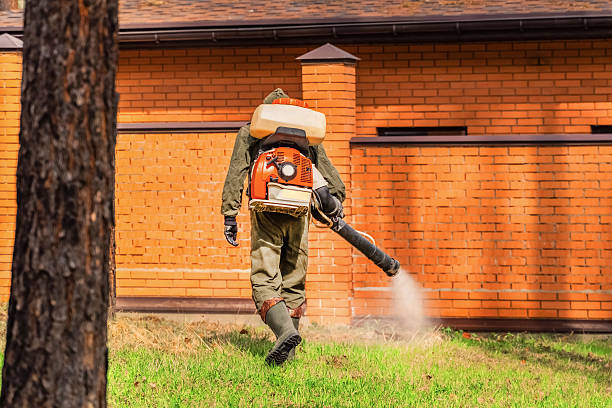
The barrier spray targets where adults rest, not where they fly. Adult mosquitoes spend nearly all of their inactive hours resting in low shaded vegetation near the ground. We treat those zones thoroughly with long-residual professional formulations.
Larvicide Application to Untreatable Standing Water -- Not every standing water source can be eliminated. Ornamental ponds, permanent drainage features, and irrigation catch basins that cannot be drained receive EPA-registered larvicide application -- Bacillus thuringiensis israelensis or surface film products that kill larvae before they reach the adult stage without harming fish, birds, or beneficial insects.
Monthly programs work because the adult knockdown from each treatment overlaps with the setup for the next application. We calendar your visits to maintain below-threshold adult pressure throughout the season, adjusting frequency based on rainfall, larval source load, and your outdoor activity schedule.
A single female mosquito can lay 100 to 300 eggs in one session, depositing them in any standing water large enough to cover a coin. Those eggs develop from larva to adult in 7 to 14 days depending on water temperature. The key insight here is scale: a property with five or six unaddressed standing water sources -- a clogged gutter, two low depressions in the lawn that hold water after rain, an ornamental container, and a tarp fold -- is producing hundreds of new adult mosquitoes every week regardless of how often the vegetation is sprayed. The larvae in those water sources are insulated from any surface treatment applied to the yard and landscape. Gutters are the most consistently overlooked source on residential properties -- they hold warm, organic-rich water and are rarely inspected during a mosquito service visit. A single 20-foot gutter section holding stagnant water can produce thousands of adults per week during peak season.
Barrier spray treatment works by applying a residual adulticide to the vegetation where adult mosquitoes rest during daylight hours. Mosquitoes are not strong fliers and spend the majority of their time resting in low, shaded vegetation -- within two feet of the ground in most cases. Applying a professional residual formulation to this resting zone knocks down the current adult population and provides residual protection for 21 to 30 days under typical conditions. Rain, high humidity, UV exposure, and vegetation density all affect the residual timeline -- a treatment applied before a heavy rain event will break down faster than one applied in dry conditions. Overgrown vegetation provides more surface area for the product but also creates more protected resting zones that reduce coverage. Professional formulations are significantly more durable than consumer spray products, but the 21 to 30 day window remains finite. Without a follow-up treatment, the larval population produces a new adult wave after the residual expires.
Still getting bitten after a barrier treatment in Camas? Call +1-866-315-0243. We treat the adults and the larvae -- and show you which standing water sources to address between visits.
The biggest larval source most homeowners miss is the gutter. A single gutter section holding stagnant water after rain can produce more adults than all other sources on the property combined. After gutters, the sources we most commonly find are: lawn depressions that hold water for a week after irrigation or rain, ornamental pots without drainage holes, stacked containers in the side yard, and tarps or covers that sag and pool water. Each of these is assessed on the property walk, and the larvicide or source elimination plan is documented for you.
West Nile virus is endemic to Camas, WA and is transmitted by Culex species mosquitoes that are present across the region. Most infections are mild or asymptomatic, but a small percentage produce neurological complications that are serious. The practical recommendation is the same regardless of individual risk assessment: reduce mosquito populations around residential areas to the lowest sustainable level throughout the active season. A recurring program that addresses both adults and larvae accomplishes this. A single event spray does not -- the larval pipeline replenishes the adult population within two weeks of a single barrier treatment.
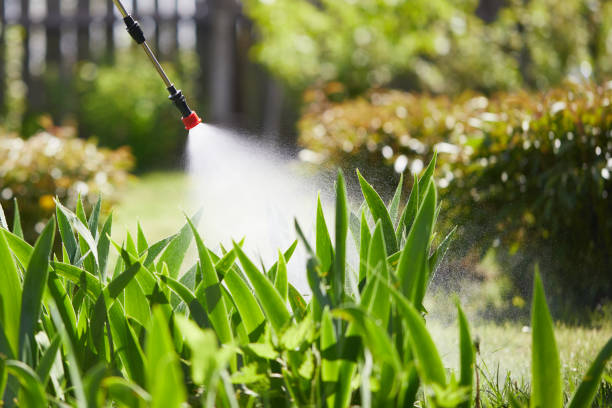
We locate your larval sources, assess adult resting zones, and explain both halves of the treatment plan before starting.
Call +1-866-315-0243Every service designed around the two-part protocol: barrier spray plus larval source reduction.
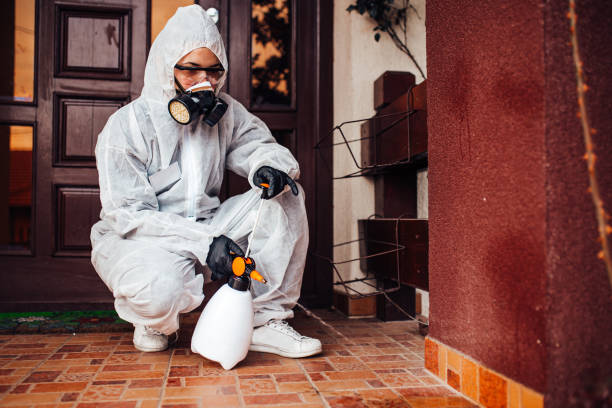
Assessment covers gutters, lawn depressions, containers, ornamental features, drainage edges, and any item holding water for 7 or more days.
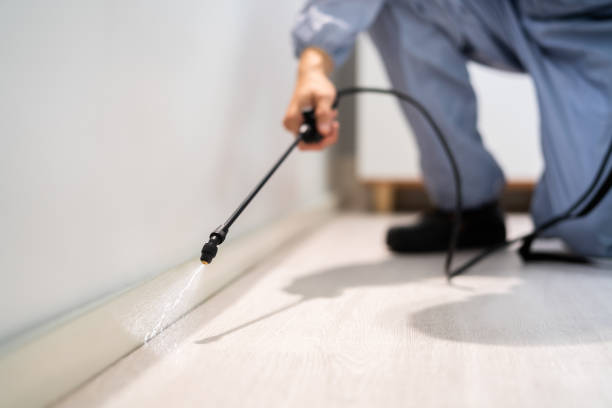
Long-residual professional formulations applied to all resting zones on the property in a single visit.
Bti-based biological larvicide applied to ornamental ponds, water features, drainage basins, and any standing water source that cannot be drained. Kills larvae before they reach adulthood without harming fish, birds, or pollinators.
We calendar your visits around your peak outdoor use period and adjust frequency based on rainfall and larval source load changes.
Single-visit barrier treatment applied 24 to 48 hours before an outdoor event. Knocks down adult mosquitoes in the vegetation and provides residual coverage for the duration of the event and several days beyond.
For properties in areas of Camas, WA with deer tick or lone star tick pressure -- tick and mosquito combined programs provide efficient coverage for both pests.
The sequence that produces lasting mosquito pressure reduction.
We walk the property first. Larval sources found, resting zones mapped, treatment plan built. No product is opened until the assessment is complete.
Residual barrier applied to all identified adult resting zones in a single visit.
Every untreatable water source receives larvicide. Treatable sources are documented and explained so you can address them between visits.
We schedule the return before leaving. No calling back to book -- the program is in place from day one.
Customers who experienced the two-part protocol for the first time after previous services that treated only one half of the problem.
Three summers of unusable backyard. Two previous spray companies. Show Me Pest Control found the larval sources the other companies never looked for -- 7 of them -- and treated every one. Monthly program, outdoor time restored.
We had a graduation party in the backyard -- 60 people, evening in June. Called Show Me Pest Control 5 days before. They came out 2 days before the event. Not one person mentioned mosquitoes at a 4-hour outdoor evening party in Camas, WA in June. That is remarkable. We signed up for the full season program after that.
Previous company refused to touch the pond. Show Me Pest Control applied biological larvicide to it -- fish are fine, frogs are fine -- and treated the rest of the yard. Explained how to maintain the pond treatment between visits. The mosquito situation changed completely.
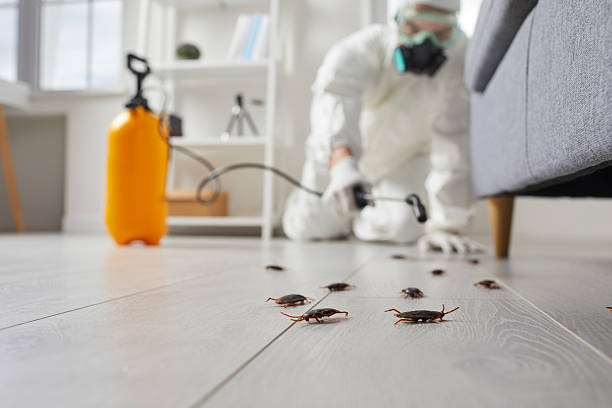
Two-part protocol -- adults and larvae addressed in one visit. Call to schedule your Camas property assessment and first treatment.
Call +1-866-315-0243